
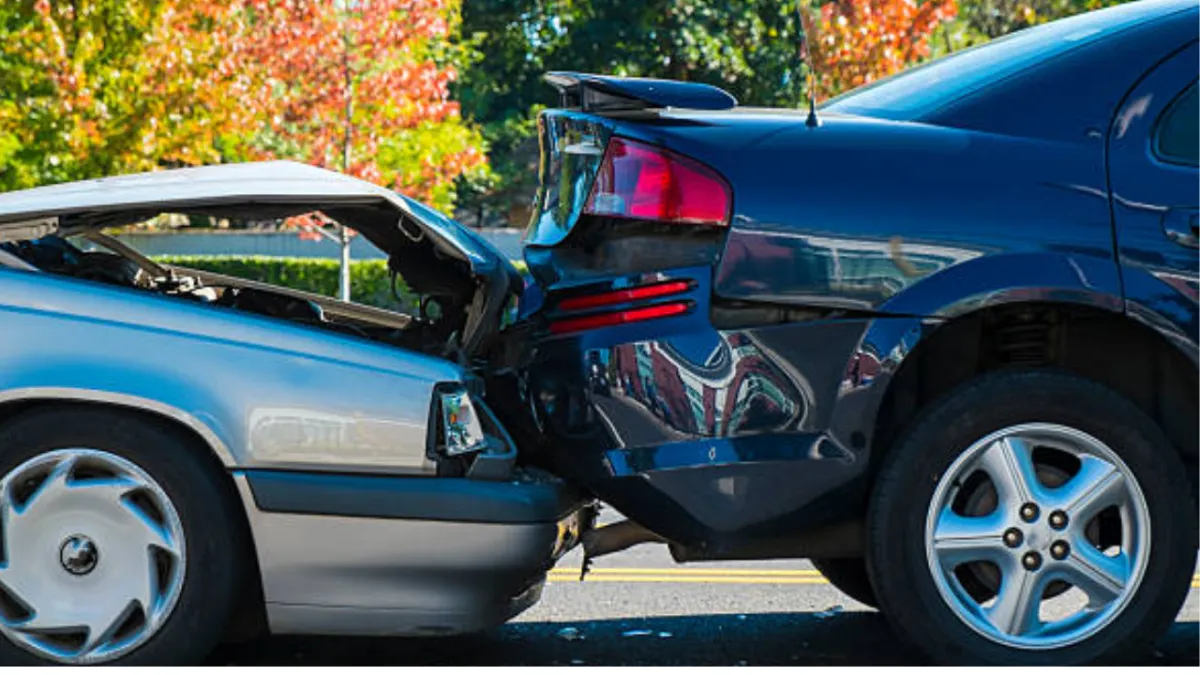
What to Do If You're in a Lyft Accident in Florida
You climb into a Lyft in downtown St. Petersburg, expecting a short ride to the airport or a night out in Tampa. Then, in an instant, another car runs a red light or your driver misjudges a lane change on I-275. A Lyft accident in Florida can leave you hurt, confused, and unsure who is responsible for your medical bills.
Unlike a typical car crash, a rideshare accident involves layered insurance policies that shift based on what the Lyft app showed at the moment of impact. Insurance adjusters know this system well, but most injured riders and drivers do not.
Tarro Law Associates has helped Florida residents sort through the confusion that follows a rideshare crash, from figuring out which policy applies to fighting for fair compensation. This guide walks you through what to do after a Lyft accident in Florida, how Lyft's coverage works, who may be liable, and the mistakes that can quietly weaken your claim before you even file it.
What to Do Immediately After a Lyft Accident in Florida
The minutes after a crash shape the rest of your claim. Florida Highway Patrol or your local police department needs to respond and create an official report, especially for crashes on busy corridors like the Gandy Bridge or I-275 through Hillsborough County. This report becomes key evidence later.
Once law enforcement finishes the report, it is typically filed with the Florida Department of Highway Safety and Motor Vehicles (FLHSMV). You or your attorney can later request a copy, which often includes the officer's notes on fault, citations issued, and a diagram of how the crash happened.
Call 911 and Document the Scene
Call 911 even if injuries seem minor, since some symptoms take hours or days to appear. Ask responding officers for the report number before they leave the scene. Take photos of vehicle damage, the road, traffic signs, and anything else that shows how the crash happened.
Photos of all vehicles involved and the surrounding scene.
Contact and insurance information for every driver involved.
The Lyft driver's name, license plate number, and trip details from the app.
Names and phone numbers of any witnesses.
The responding officer's name and accident report number.
Report the Accident Through the Lyft App
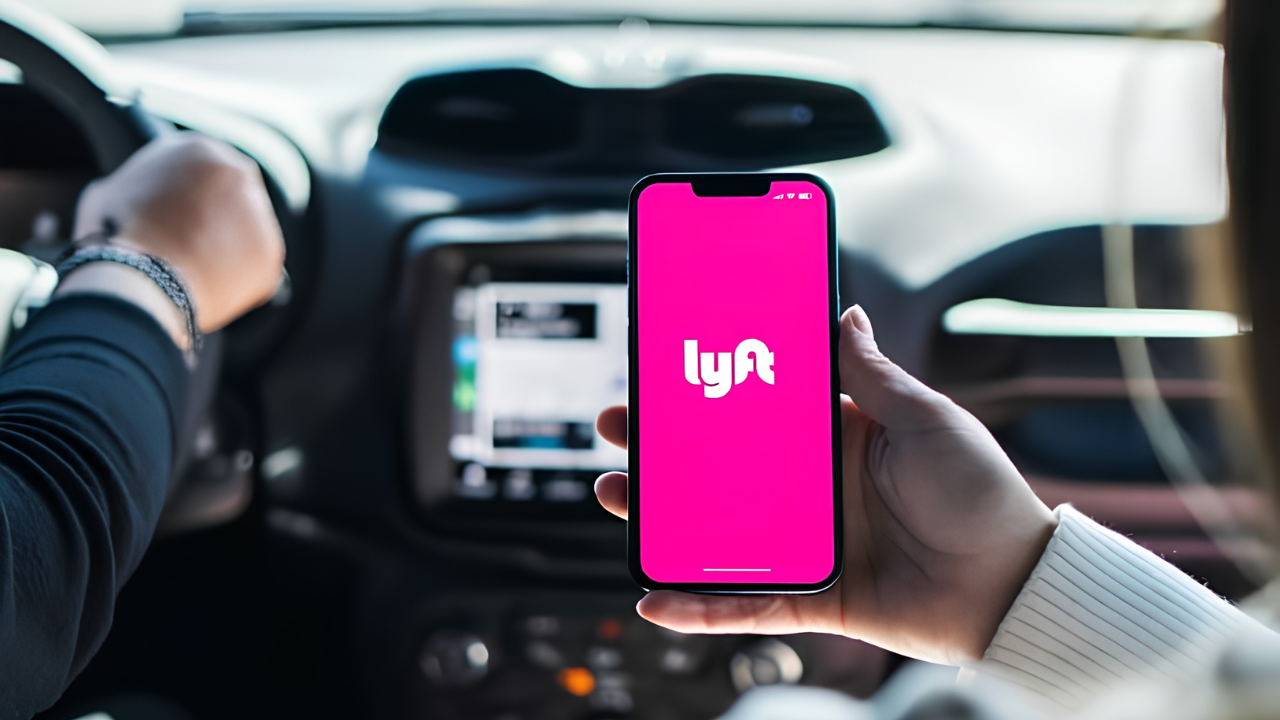
Lyft requires drivers and riders to report a crash through the app, which creates an official record tied to your trip. This report includes trip details, GPS data, and timestamps that later help establish which insurance phase applies. Save your ride receipt and screenshots of the trip.
Seek Medical Care Right Away
Florida's no-fault insurance system requires treatment within 14 days of the accident to preserve Personal Injury Protection benefits under Fla. Stat. § 627.736. Waiting longer, even if you feel fine, can jeopardize your ability to recover medical costs later. Facilities like Tampa General Hospital can document injuries promptly.
How Lyft's Insurance Coverage Works in Florida
Rideshare accidents do not work like ordinary Florida car crashes. Lyft carries different levels of insurance depending on what the app showed when the crash happened. Understanding these three phases is often the most confusing, and most important, part of a rideshare accident claim in Florida.
When the App Is Off
If the Lyft app was off at the time of the crash, Lyft's commercial insurance does not apply at all. The driver's personal auto policy is responsible instead, and many personal policies specifically exclude rideshare use. This gap can leave injured victims without a clear path to compensation.
When the App Is On But No Ride Is Accepted
During this waiting period, Lyft provides contingent liability coverage since the driver's personal policy stays primary. This typically includes around $50,000 per person and $100,000 per accident for bodily injury, plus $25,000 for property damage, filling gaps left by the driver's own policy.
When You're En Route or On a Trip
Once a Lyft driver accepts a ride request or has a passenger in the car, Florida law requires at least $1,000,000 in liability coverage. This phase offers the strongest protection for passengers, pedestrians, and other drivers hurt in the crash, though disputes over which policy applies still happen often.
Have questions about your Florida rideshare accident case? Tarro Law Associates offers a free case review for personal injury matters in Florida. Call us at (401) 272-8300 or fill out our contact form at www.tarrolaw.com/#contact.
Who Can Be Held Liable for a Lyft Accident in Florida
More than one party can share responsibility for a Lyft accident claim in Florida. Because Florida follows modified comparative fault under HB 837, the amount you can recover depends on how much fault each party carries. If you are found more than 50 percent at fault, Florida law bars you from recovery entirely.
The Lyft Driver
If your Lyft driver caused the crash through speeding, distraction, or a traffic violation, they can be held liable for your injuries. Because rideshare drivers work as independent contractors, claims typically target the driver's insurance and Lyft's applicable coverage tier rather than Lyft directly.
A Third-Party Driver
Many rideshare accidents in Pinellas County and Hillsborough County are caused by another driver who ran a red light, merged unsafely, or drove distracted. In these situations, the at-fault driver's own liability insurance becomes the primary source of compensation for your injuries.
When Fault Is Shared Between Multiple Parties
Sometimes more than one driver contributes to a rideshare accident claim, such as when a Lyft driver and another motorist both make unsafe moves near a busy intersection. Florida's modified comparative fault rule allows you to recover damages reduced by your percentage of fault, as long as you are not more than 50 percent responsible.
Lyft's Insurance Carrier
Lyft's insurer becomes involved once the driver's status meets one of the coverage phases described above. Understanding Florida car accident liability can help clarify which insurance coverage may apply. These claims often involve more paperwork and pushback than a standard auto policy, which is why many riders choose to get legal help early.
What Compensation May Be Available After a Florida Lyft Accident Claim
A successful Lyft accident claim may cover more than your immediate medical bills. Florida law allows injured victims to pursue several categories of damages, and the right mix depends on the severity of your injuries and how the crash affected your daily life.
Medical Expenses and Ongoing Care
Compensation can include emergency treatment, hospital stays, physical therapy, and future medical care tied to the crash. Florida's PIP coverage pays a portion of these costs upfront, but a rideshare accident claim can pursue the remaining balance from the liable party's insurance.
Lost Wages and Reduced Earning Capacity
If your injuries kept you out of work in the Tampa Bay area or reduced your ability to earn going forward, you may be entitled to compensation for those losses. This can include missed shifts, reduced hours, or a career change made necessary by lasting injuries.
Pain and Suffering
Florida does not cap compensatory damages in most personal injury cases, which allows recovery for pain, emotional distress, and reduced quality of life. Punitive damages may also apply in cases involving especially reckless conduct, though these are generally limited to three times compensatory damages or $500,000, whichever is greater.
Property Damage
A rideshare accident claim can also include reimbursement for damaged personal property, such as a phone, laptop, or other belongings damaged in the crash. If you were driving your own vehicle when hit by a Lyft driver, repair or replacement costs may be recoverable as well.
Common Mistakes That Can Hurt Your Lyft Accident Claim
Small missteps after a crash can significantly reduce what you are able to recover. Insurance companies look for any reason to minimize a payout, and rideshare accident claims give them even more angles to work with. Avoiding these mistakes protects your claim from the start.
Giving a Recorded Statement Without a Lawyer

Insurance adjusters may ask for a recorded statement soon after the crash, often before you understand the full extent of your injuries. Anything you say can be used to dispute your claim later. Speak with a lawyer before agreeing to any recorded statement.
Delaying Medical Treatment
Waiting to see a doctor can hurt both your health and your claim. Insurers may argue that a delay means your injuries were not serious or were not caused by the crash. Prompt treatment, within 14 days for PIP purposes, protects both your recovery and your case.
Posting About the Accident on Social Media
A photo, a check-in, or even a vague comment about feeling fine can be used against you during settlement negotiations. Insurance companies routinely review the social media accounts of claimants. Avoid discussing the accident, your injuries, or your recovery online while your claim is active.
Accepting the First Settlement Offer
Insurance companies frequently offer a fast, low settlement before you know the full cost of your treatment. Once you accept and sign a release, you generally cannot ask for more money later, even if your injuries turn out to require additional surgery or ongoing therapy.
How a Lyft Accident Lawyer Can Help With Your Florida Claim
A rideshare accident in Florida involves more moving parts than a typical car accident claim, from figuring out which insurance phase applies to negotiating with multiple carriers. An experienced Florida personal injury lawyer can manage these details while you focus on recovering.
Investigating Liability and Insurance Coverage
An attorney can gather trip data, driver status logs, and police reports to determine exactly which insurance policy applies to your Lyft accident claim. This evidence often makes the difference between a denied claim and a fair settlement offer.
Negotiating With Insurance Companies
Insurance companies, including Lyft's carrier, often try to settle quickly and for less than a claim is worth. A lawyer familiar with Florida rideshare accident claims, including a lyft accident lawyer st petersburg families trust, can push back on lowball offers and pursue full compensation.
Contact Tarro Law Associates for Help With Your Florida Lyft Accident Claim
A Lyft accident in Florida can leave you facing medical bills, missed work, and confusing questions about which insurance policy applies to your case. You do not have to sort through Lyft's tiered coverage system or negotiate with insurance adjusters on your own.
Tarro Law Associates understands how rideshare accident claims work in Florida, from the Tampa Bay area to communities across Pinellas and Hillsborough counties, and can help protect your right to compensation. Florida law gives you a limited window, generally two years, to file a personal injury lawsuit, so timing matters.
Reach out today to discuss your Lyft accident claim and find out what your case may be worth with a free case review.
Frequently Asked Questions: Lyft Accidents in Florida
1. Who is liable if I'm hurt as a Lyft passenger in Florida?
Liability depends on who caused the crash. If your Lyft driver was at fault, Lyft's $1,000,000 liability policy typically applies during an active trip. If another driver caused the wreck, that driver's personal auto insurance becomes the primary source of compensation for your injuries.
2. Does Lyft's insurance cover accidents in Florida?
Yes, but coverage depends on the driver's app status at the time of the crash. Lyft provides no coverage when the app is off, limited contingent coverage while waiting for a ride request, and up to $1,000,000 in liability coverage once a driver accepts a trip or has a passenger.
3. What if the Lyft driver was not at fault for the accident?
If another driver caused the crash, you can typically file a claim against that driver's insurance policy. Lyft's uninsured and underinsured motorist coverage may also apply if the at-fault driver lacks adequate insurance, helping cover medical bills and other losses.
Sources: Fla. Stat. § 95.11(3)(a); Fla. Stat. § 627.736; Florida House Bill 837 (2023); Florida Department of Highway Safety and Motor Vehicles (flhsmv.gov); Lyft's insurance information page (lyft.com).
Ready to get started? Call Tarro Law Associates at (401) 272-8300 or fill out our online form at www.tarrolaw.com/#contact to request your free case review today.


