
ANSWERING 24/7 | HABLAMOS ESPAÑOL
Special Needs Trust Lawyer
A gift or an inheritance left directly to a person with a disability can end the benefits they depend on. A special needs trust holds that money for them instead, pays for what the benefits do not, and keeps SSI and Medicaid in place.
1,000+
Case representations
35+
Years of experience
100+
Businesses Served
24/7
Available to you
Our special needs trust services
Planning for a loved one with a disability? Let Tarro Law protect their benefits
Our special needs trust lawyers draft the right kind of trust for where the money comes from, name a trustee who understands the rules, and fit it into the rest of your plan.
Hire a special needs trust lawyer today
Scope and fee agreed before we start · Answered 24/7 · Hablamos español
A plain-English conversation first
Your loved one’s needs now and later, the benefits they rely on, and where the money will come from. The source decides which trust you need.
The benefit rules, respected
Every provision is written so distributions supplement SSI and Medicaid rather than replace them, which is what keeps the benefits in place.
Funded and coordinated
Your will, your own trust and every beneficiary designation redirected to the trust, so nothing reaches your loved one outright by accident.
Guidance for the trustee
Written guidance on what the trust may pay for, how to pay it and what to report, so the trustee protects the benefits instead of risking them.
Scope agreed before we start
You know exactly what is included and what it costs before any work begins. No open-ended billing on planning work.
What we prepare
Special needs trust services we handle
Not every item applies to every family. We tell you which you need, and which you do not.

01
Third-party special needs trusts
Funded by family through a will, a trust or life insurance, with no Medicaid payback at the end. Grandparents can give to it too.

02
First-party special needs trusts
For money that is already theirs, such as a settlement or an inheritance received outright. It generally must be set up before age 65 and repay Medicaid.

03
Pooled trust accounts
A sub-account in a nonprofit pooled trust, when a standalone trust is too small or the beneficiary is 65 or older.
04
Keeping SSI and Medicaid in place
Cash, food or shelter paid from the trust can reduce SSI, so the trust and the trustee’s instructions are written around the benefit rules.

05
What the trust can pay for
Therapies and equipment, education, a phone or computer, travel and recreation, a vehicle and personal care: the extras benefits never cover.

06
Wills and beneficiary updates
Your will, your own trust and your policies redirected so they feed the trust, not your loved one directly.

07
Choosing the trustee
Someone who will outlast you and understands the rules: a family member with a professional co-trustee, a trust company, or a pooled trust.

08
Letter of intent
The routines, preferences, providers and history a future trustee and caregiver will need, written down while you can tell them yourself.
How it works
How we set up a special needs trust
Three steps from first conversation to a trust that protects benefits.
Step one
Talk it through
Call, text, or fill in the form. Your loved one’s needs, the benefits they rely on and where the money will come from.
Step two
Draft the right trust
A third-party trust for money you leave, a first-party trust for money that is already theirs, or a pooled trust where that fits better.
Step three
Fund and guide
Your will, trust and beneficiary designations redirected to the trust, and written guidance so the trustee protects the benefits.
Our team
Meet your legal advisors
The attorneys and team who answer your call and know your file.


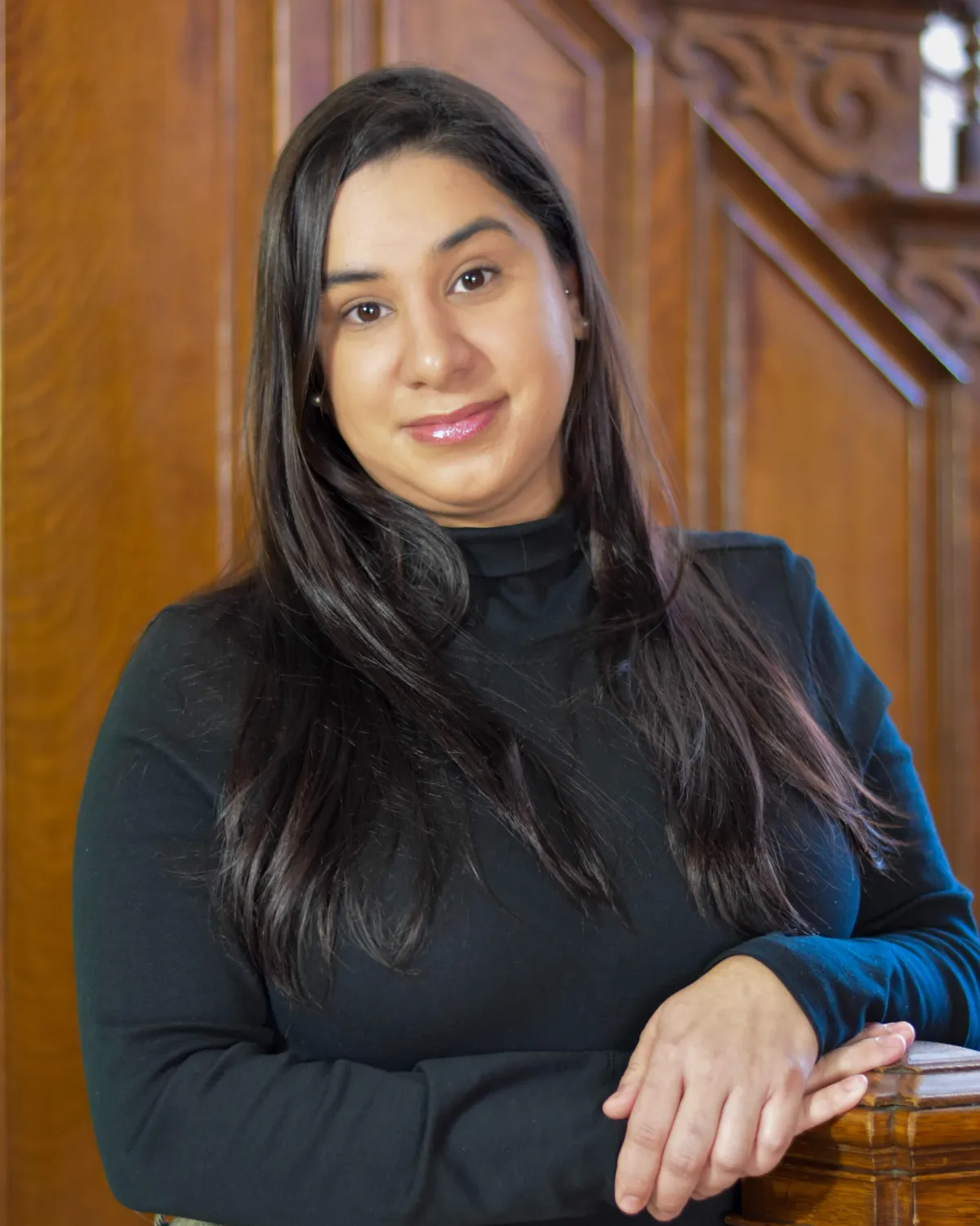
Melissa De Los Angeles
Case Manager
Christine Hernandez
Intake & Records Coordinator
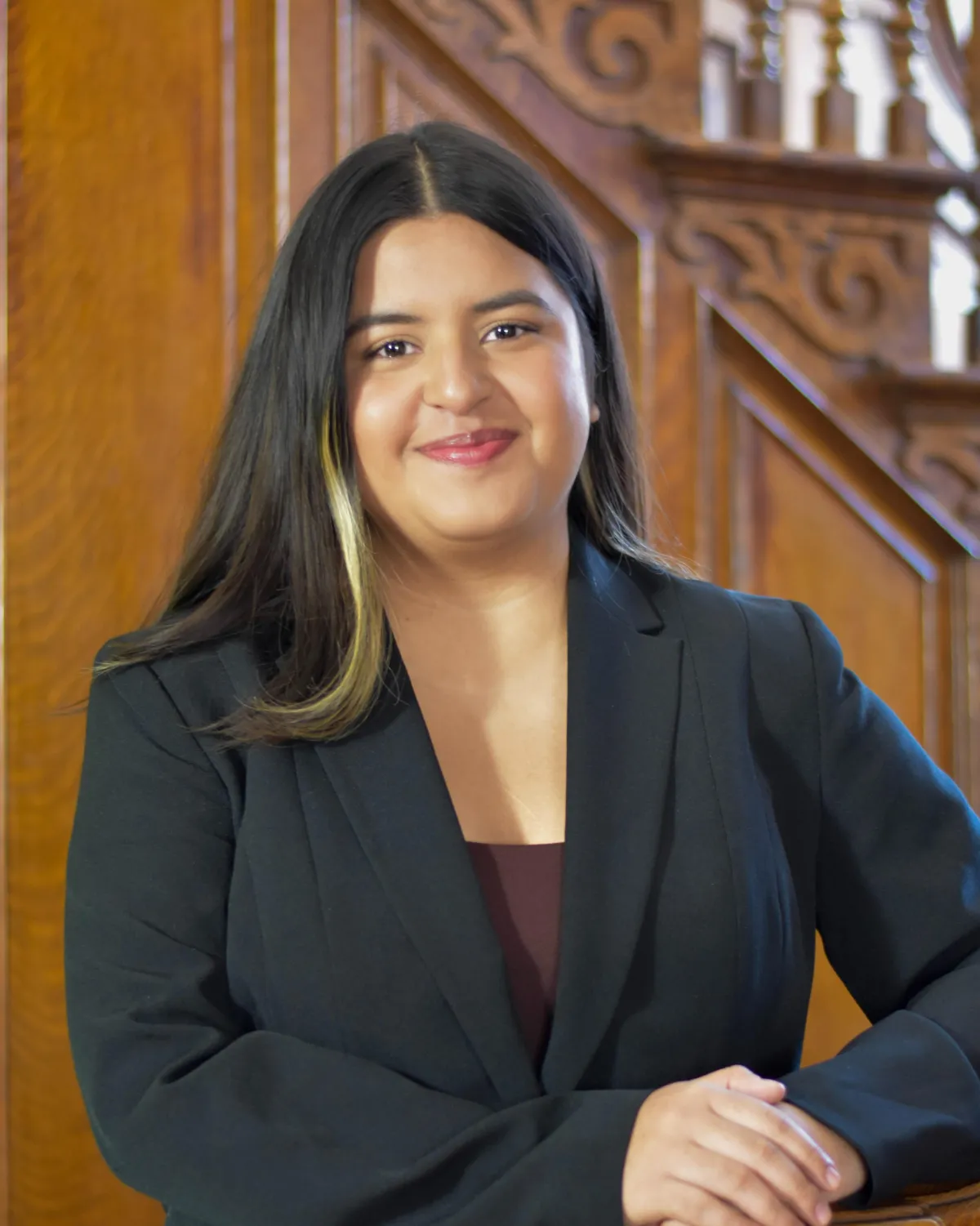
Valeria Flores Gutierrez
Legal Assistant



This site is designed to be accessible to and usable by people with and without disabilities. Please contact us if you encounter an accessibility or usability issue on this site. Attorney advertising. Prior results do not guarantee a similar outcome. Cases will be handled by attorneys licensed in the local jurisdiction. Cases may be associated with, or referred to, other law firms as co-counsel or referral counsel.
Copyright © 2026. Tarro Law Associates, PC. All rights reserved.